
Instagram and LinkedIn algorithms 2027: What is changing in reach and ranking
What matters in the Instagram algorithm in 2026?
Forwards. In a Q&A on his Instagram Stories on 23rd October 2026, Mosseri said that Instagram is primarily looking for Reels and photos you would send to someone. Comments feed into ranking, but according to Mosseri, they are far from the most important factor.
The same Q&A produced two answers that affect many editorial plans. Carousels generally perform better than single images because every slide is another opportunity to reach the same person. And scheduled posts do not lose reach. Mosseri says he constantly schedules his own posts in advance.
On 28th October, he became more specific in a conversation with creators Colin and Samir. Alongside engagement, he names originality, recency and fair opportunities for new content as ranking factors. For reach among people who do not follow you yet, one metric matters above all: Sends per Reach. It measures how often a post is sent via direct message in relation to the accounts reached.
Key takeaway: A Like means ‘I like this’. A Send means ‘you need to see this’. Instagram trusts the latter signal far more.
For us, this confirms how we have been working for years. The social graph is losing importance; content spreads through interests. The content itself is the targeting.
How important is recency on Instagram?
Measurably more important than just one quarter ago. According to Meta CFO Susan Li on the Q3 earnings call in October 2026, almost 45% of recommended Reels are less than a day old. That is more than 11 percentage points higher than in the second quarter.
At the same time, Instagram is clearing out copies. Since an update in April, aggregators and copycats are meant to disappear from recommendations. Anyone who merely re-uploads other people’s content loses out.
In practice, that means an editorial plan alone is no longer enough. You also need a fast track that allows your team to respond to occasions and trends within hours, with original content rather than reposts.
What are Instagram ‘Features’?
Instagram is opening up to long-form videos. ‘Features’ allows horizontal videos of up to 90 minutes to be uploaded. They are surfaced via shorter preview clips in the Reels section, which lead to the full video. The format was announced on 26th October 2026.
Important for planning: Features is not yet widely available. Following a test in Brazil, it is initially being rolled out with selected creators in the US, with a broader rollout expected in the coming weeks.
The U-turn is remarkable. Mosseri himself says he was against long-form content on Instagram for a long time. The reason is obvious: short Reels generate more shares and DMs, precisely the signal the algorithm weighs most heavily.
Our assessment: For brands with genuine stories to tell, such as documentaries, recurring formats or corporate characters, Instagram is becoming a second stage alongside YouTube. But reach will continue to come from short-form content. Anyone producing long-form content should plan the clips from the outset.
How does Instagram treat AI content?
Officially, the same; in practice, probably not. In the conversation with Colin and Samir, Mosseri said that Instagram does not rank AI creators differently. When asking himself whether AI content ranks as well as other content, he answered: ‘Probably not.’
There is also a new labelling requirement. Accounts built around an AI-generated person will in future have to carry the label ‘AI-generated profile’. Until now, the ‘AI creator’ label was voluntary. According to an Instagram spokesperson speaking to Engadget, anyone who leaves out the label will soon have to expect restricted reach.
Mosseri already set the framework for this in his annual outlook of 31st December 2025: ‘Authenticity is becoming infinitely reproducible.’ In future, we would approach images with scepticism rather than believing them by default. What would matter would be who shares something and why.
For brands, this means: AI is a powerful production tool. The face and voice of the brand should nevertheless remain human. And wherever AI is involved, it should be properly labelled. What has applied legally since August, we covered in our article EU AI Act: What applies to AI content from August 2026 summarised.
How much is Instagram usage growing?
Time spent per Instagram user reached an all-time high in the third quarter of 2026 and grew by double digits year on year, driven by Reels and Feed. According to Mark Zuckerberg, Threads has overtaken X in monthly active users.
The figure that should interest decision-makers most lies in the advertising business. Partnership Ads, i.e. ads that brands run jointly with creators, have grown by more than 97 % and now have an annualised revenue run rate of more than 15 billion US dollars. Creator content has therefore definitively become a media category in its own right, built organically and scaled with budget.
Why are LinkedIn company pages losing reach?
LinkedIn has rebuilt its feed. According to a post by the LinkedIn Engineering team dated 12th March 2026, selection and ranking now run through a system of language models and transformers. It understands what a post is about, matches this with users’ interests and assesses how long they actually read for. Analysts group signals such as time spent, the depth of comment discussions and saves under the term ‘Depth Score’. It is not an official LinkedIn term.
When it comes to video, the data shows a clear imbalance. Socialinsider’s LinkedIn Benchmark Report 2026, based on 1,3 million posts from 16.645 company pages, records 36 % fewer video views year on year, across all page sizes. At the same time, brands have doubled their video frequency to around four posts per month. More effort, less visibility.
There is another side to this: overall engagement on LinkedIn has risen by 8 %. Native documents, i.e. PDF carousels, perform best, with an average engagement rate of 7 %. Content that people can click through at their leisure suits the new algorithm.
For company pages overall, analyses by LinkedIn consultants compiled by The State of Brand show a decline in organic reach of 60 to 66 % between 2024 and early 2026. According to these analyses, posts with external links or clumsy sales language have lost up to 40 % reach since an update in April. LinkedIn itself does not publish figures on this, so the values should be read as a guide. The direction is nevertheless clear.
Key takeaway: On LinkedIn, people follow people. The company page is the archive; reach is generated through management and experts.
What does this mean for your social media strategy?
- Plan for sends. With every post, ask yourself who someone would forward it to and why.
- Revamp your reporting. Shares and sends per reach belong at the top, with comments and likes after them.
- Create a fast track. Timely, original content is visibly favoured on Instagram.
- Produce original content. Reposts and aggregation lose reach.
- Start thinking about long-form now. When the features arrive in Austria, the format, narrative structure and clip logic should be ready.
- Label AI properly and keep the brand human.
- Set aside creator budget. Partnership Ads combine organic credibility with paid reach.
- On LinkedIn, put people before the logo. Management and specialists as corporate characters achieve more than any company page.
Our free Social Campaigning Analysis.
FAQ
What matters more for Instagram reach, shares or comments?
Shares. According to Instagram chief Adam Mosseri (23.10.2026), the algorithm primarily looks for content that users send on to friends. Comments also count, but are far from being the most important factor.
What does “Sends per Reach” mean on Instagram?
Sends per Reach measures how often a post is sent via direct message in relation to the accounts reached. Mosseri describes this metric as the most important signal for reach among people who do not yet follow an account.
Does scheduling posts in advance harm Instagram reach?
No. In October 2026, Mosseri confirmed that scheduled posts do not lose reach. He regularly schedules his own posts in advance.
Can you upload 90-minute videos to Instagram?
Yes, with the new “Features” format for horizontal videos up to 90 minutes long, announced on 26.10.2026. It is currently being tested with selected creators and is not yet generally available. The videos are distributed via short preview clips in the Reels section.
Is AI content given less distribution on Instagram?
Probably yes. Mosseri says AI creators are not treated differently, but concedes that AI content “probably not” ranks as well as other content. In future, accounts centred on AI-generated people will have to label themselves as an “AI-generated profile”, or face restricted reach.
Why is the reach of LinkedIn company pages declining?
Since 2026, LinkedIn has ranked its feed using language models and placed greater emphasis on whether content is actually read and matches users’ interests. Personal profiles benefit more from this than company pages. According to Socialinsider, video views from company pages have fallen by 36 %, even though brands are posting twice as many videos.
Sources: Adam Mosseri, Instagram Stories Q&A from 23.10.2026 (via ZoomSphere); interview with Colin and Samir from 28.10.2026 (via kabo and Martin Cid Magazine); Meta Q3-2026 earnings call (via Social Media Today and PPC Land); TechCrunch and The National on Instagram features; Mosseri’s year-end outlook from 31.12.2025 (via The Keyword and Newsweek); Socialinsider LinkedIn Benchmarks 2026; LinkedIn Engineering on the new feed ranking (via ALM Corp); The State of Brand.

Jan specialises in developing social media strategies and data-driven performance marketing. He always keeps the bigger picture in mind. His goal: successful campaigns that inspire people in the real world and create genuine success.
Jan specialises in developing social media strategies and data-driven performance marketing. He always keeps the bigger picture in mind. His goal: successful campaigns that inspire people in the real world and create genuine success.
More articles
Effie Awards Austria 2026: Digiknall wins Silver and Bronze for Radatz
Digiknall has won two awards for the Vienna-based family business Radatz at the Effie Awards Austria 2026: Silver for …
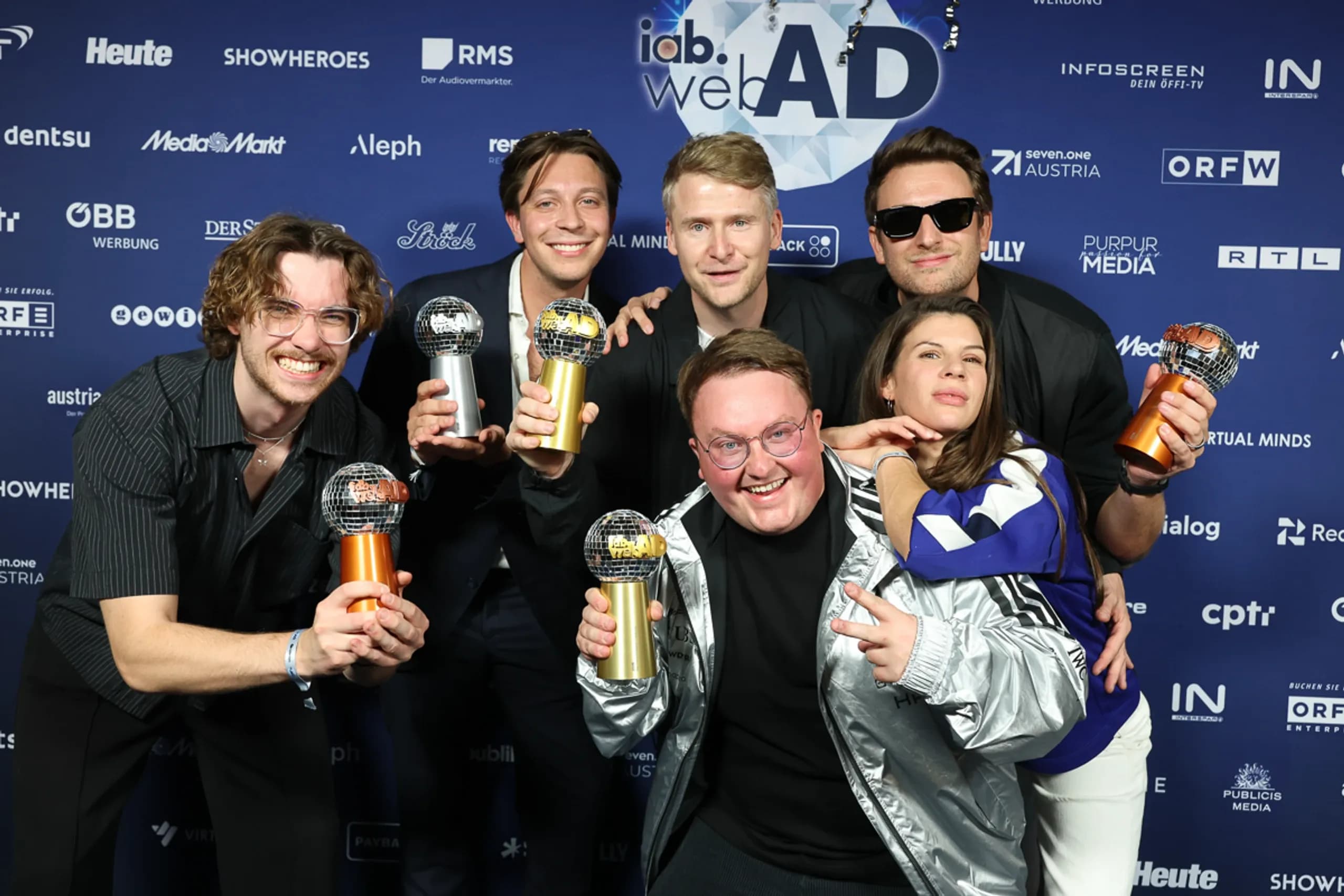
iab webAD 2026: Digiknall wins Gold for Radatz and five awards
Digiknall won five awards at the iab webAD 2026: Gold for Radatz's social media concept, Silver and Bronze for a video …
Effie Awards Austria 2026: Digiknall on the shortlist
Digiknall is on the shortlist for the Effie Awards Austria 2026 with three campaigns for Radatz in four categories. The …