Images from ChatGPT 4o – How the new AI feature is shaking up the advertising and media world 🦾
Introduction
With ChatGPT 4o AI-based content generation is entering the world of digital communication. Previously, DALLE did the painting for ChatGPT – with the latest version 4o, text and images now flow together harmoniously in one system. In recent days, a wave of Studio Ghiblistyle portraits and memes has already swept through the social web – not hand-drawn by Hayao Miyazaki, but AI-generated by ChatGPT. For marketing and visual communication, the potential is enormously disruptive: text and image AI are merging, enabling creative content to be produced faster and at greater scale than ever before. Modern blog articles and campaigns have long relied on visual highlights such as graphics or infographics – with ChatGPT 4o, such elements can now be created directly via text input. This article takes a dynamic and critical look at how ChatGPT 4o’s new image feature works, the wild application possibilities it offers and the impact it has on advertising and media.
Fundamentals of image generation with ChatGPT 4o
Behind ChatGPT 4o is OpenAI's latest all-rounder: an “omnimodal” GPT-4 model that can seamlessly process and generate language and images (the “o” aptly stands for omnimodal. Since 25 March 2025, it has been available to all ChatGPT users.
The result: an AI that creates images with context-aware world knowledge. This allows GPT-4o to follow image instructions more precisely, remain visually consistent and even render embedded text correctly. OpenAI itself describes 4o as its most advanced image model to date, combining beauty with practical utility. Technically, the system was trained to learn the joint distribution of images and descriptions – it therefore “understands” how visual and linguistic elements belong together. This makes complex creations with detailed labelling possible, something earlier models could not achieve (think of DALL‑E’s infamous pseudo-legible hieroglyphic writing on signs). GPT-4o changes this: text in generated images is now clear and legible with a low error rate, even for longer texts. Images can also be refined directly in the chat over several steps, almost as if you were working iteratively with a digital designer. In short – ChatGPT 4o is the next stage in the evolution of AI creativity and the technical foundation for AI to become a fully fledged visual communication partner.

Examples of use 📟
How can this new image AI be used in practice? The possibilities are diverse, ranging from everyday marketing tasks to unusual creative tricks. Here is an overview of some of the most exciting use cases:
- Text integration in images: ChatGPT 4o finally masters what many AI artists previously struggled with – embedding legible text into images. Whether it is an advertising poster, meme or menu, the AI now places lettering correctly and sharply within the image. 4o can even handle long texts in different fonts without errors. This is a game changer for campaigns featuring slogans or product descriptions in the image
- Automated thumbnail creation: Content creators and social media managers can now generate thumbnails for YouTube videos or preview images for blog posts via prompt. Simply describe the subject, background and title in broad terms – and GPT-4o delivers a click-worthy draft with a suitable crop and overlaid headline. The results are not always 100% perfect, but are often already highly appealing and can serve as a basis. This saves time in the creative process while still providing individual thumbnails instead of generic stock photos.
- AI-based advertisements & product images: In advertising, compelling visuals matter – and these can now be generated at the touch of a button. GPT-4o can create product mock-ups, for example a new trainer model photorealistically set against a bespoke background with a matching advertising slogan alongside it. Complete banners or social media ads are also possible: you specify the format and desired elements (logo, claim, desired style) – and the AI delivers a finished visual that matches the specifications remarkably closely. The algorithms can even reliably implement complex scenes. The quality has also taken a leap forward: realistic photos featuring people or elaborate details work significantly better than they did with DALL‑E. For marketers, this means rapid ad prototypes and perhaps soon personalised product images on demand.
- Transforming photos and sketches into new styles: A particularly creative use case is style transfer. You can use your own photo or even a hand-drawn sketch as a starting point and ask ChatGPT 4o to turn it into an image in a particular style – for example, in the Studio Ghibli-anime style, as a LEGO figure or with the look of an action figure. The AI uses the original as a visual reference and renders a new version of it, for example turning a selfie into an anime portrait. Even simple doodles can be transformed into polished artworks this way: a rough sketch of a logo becomes a refined design; a child’s drawing becomes a colourful 3D artwork. The ability to use images as a source of inspiration opens up entirely new creative workflows – there is no need to start from scratch; instead, existing ideas can be developed further by the AI.
- Recipe graphics and social media illustrations:
Appealing recipe graphics that convey the steps of a recipe, including ingredients and text, concisely are particularly in demand in today’s social media landscape. With ChatGPT 4o, it becomes possible to generate bespoke recipe layouts – from minimalist designs for fitness smoothies to playful arrangements for innovative desserts. The AI not only creates a visually appealing framework, but also integrates all key content, such as text, so that the finished graphic can be posted directly on social media. This turns a classic recipe text into a digital highlight in seconds, inspiring followers to try something new. - Meme generator at the push of a button: Internet memes thrive on punchy images with text – and that is exactly what GPT-4o can now deliver. Users can, for example, say “create a meme based on the Distracted Boyfriend template with my own text” and receive the familiar stock-photo meme with the desired captions in the right places. The AI automatically adapts the layout and font, so the meme is ready to share. This use case is simply fun, but it is also of interest to brands: current meme formats can be filled with brand messages virtually in real time, allowing them to maintain a humorous presence on the social web. ChatGPT 4o makes the barrier to “quickly putting together a meme” extremely low – TikTok trends and Twitter gags say hello.
- Dynamic infographics & social media templates: More serious visuals such as infographics or graphics for LinkedIn posts are also part of the repertoire. Anyone describing data or a process plan can have the AI create a visual representation from it – whether a timeline chart, a process diagram or a stylised statistic. The AI selects symbols, colours and layouts to suit the description, presenting complex information in an appealing way. Similarly, social media templates can be generated: for example, a template for an Instagram quote post with a background pattern and positioned quote, or a stylish frame for Story polls. The ability to specify exact formats (square, 16:9 etc.) produces perfectly fitting designs for every channel. This makes content creation even more agile – Visual Content on demand, without always having to call on a graphic designer.

Changes in marketing 🚀
Native image generation in ChatGPT is likely to change the marketing industry for the long term. Some foreseeable developments:
- Time and cost efficiency: Creative assets can now be produced in minutes rather than days. Marketing teams can use AI to generate a wide range of image variants instead of manually designing every motif. This not only saves time, but also budget, as fewer external shooting or design costs are incurred. In addition, scalability makes it possible to create large quantities of images automatically – ideal for extensive campaigns or A/B testing. Resources that would otherwise be spent on routine graphics can be invested in strategy and refinement.
- New creative workflows: The ways designers and copywriters work are becoming more closely aligned. Ideas can first be “sketched” as rough images by the AI via prompts and then refined by the creative team. Brainstorming becomes more visual: rather than merely collecting mood boards, an AI draft can quickly be generated as a basis for discussion. Copywriters become “prompt writers”, translating their ideas into AI instructions. Designers, in turn, take on the role of curators and editors by assessing the AI’s results and making targeted improvements. This collaborative human-AI interaction can lead to entirely new ideas, as the AI also delivers unusual suggestions that people might not have thought of themselves. Companies such as Adobe and Canva are already integrating such generative functions to make the creative process more dynamic – ChatGPT 4o is now driving this trend into the mainstream.
- Personalised campaigns in real time: A huge advantage is the ability to create images tailored to target groups or even individuals. AI systems can tailor visual content to age, gender, interests and so on, enabling hyper-personalised advertising. Conceivable examples include email newsletters in which each recipient sees a different cover image, tailored to their usage behaviour. Or social media ads that automatically change the background depending on the region (beach for the coast, mountains for the Alpine region). With ChatGPT 4o, such dynamic content generate automatically, almost in real time and directly from customer data. This makes communication even more targeted and personal – a holy grail in marketing. At the same time, of course, care must be taken not to overdo personalisation so as not to unsettle users. But the principle of “the right message at the right time in the right visual” is coming within reach.
- Challenges: copyright, quality & ethics: With all the opportunities, the question marks must not be swept under the carpet. One sticking point is copyright – AI-generated images stem from learned patterns in existing image material. If the AI draws in the style of a particular artist, for example, the question of intellectual property rights arises. OpenAI is already facing accusations that the training data imitates other people’s works. Legally, this is uncharted territory: who “owns” an image created by AI? There are also limitations when it comes to quality. As impressive as GPT-4o is, errors still occur – such as strange details in faces, faulty hands or unsuitable proportions. For professional use, post-processing is often needed to iron out the final inconsistencies. The speed at which images are generated is also very slow compared with competing platforms such as Midjourney. Another aspect is the ethical and societal implications. The AI has safety filters, but images of real people or sensitive content can sometimes bypass them. This opens the door wide to misuse – think deepfakes or defamatory depictions. What is more, GPT-4o deliberately permits somewhat more explicit content “within reasonable limits”, intended to serve greater “creative freedom”. It will be exciting to see how users and society deal with this. Marketers should remain sensitive in any case: not everything that is technically possible is also morally or legally unobjectionable.

Future prospects 🔮
Future models are likely to become even more powerful and versatile. GPT-4o itself is only the beginning of an omni-AI that understands audio and even video alongside text and images. Images that have been created can already be expanded into videos. Directly on Open AI’s own “Sora” platform or on competing platforms such as Runway, Kling or Pika. The tool landscape is also likely to expand – we will see combination tools where AI-generated images flow directly into design programmes, or where ChatGPT automatically generates suitable illustrations and infographics in real time in the background of a CMS blog while you write the text.
For the arts and creative industries, this means new tools on the one hand, but also the need to adapt on the other. Artists could use AI as a partner to explore new styles, or curate entire galleries of AI-assisted art. In advertising and media production, processes will become significantly faster: campaigns can be localised and personalised “on the fly”, content can be created virtually just-in-time for every distribution channel. Routine visuals will become a commodity, creating scope for Big Ideas. At the same time, competition and expectations are increasing: if everyone can conjure up appealing images in seconds, creative differentiation becomes all the more important.
Last but not least, societal questions arise: how will ultra-realistic AI images change our perception of reality? Will it eventually become necessary to label AI content in order to preserve trust? The next few years will set the pace here. One thing is certain: the fusion of language and images through AI opens up entirely new possibilities for marketing, media and art in 2025. ChatGPT 4o is a harbinger of this development – dynamic, innovative, but also challenging. It is up to us to use this power wisely. The future of visual communication has begun, and it is undoubtedly exciting and trend-setting.
Are you ready to catapult your campaigns into the next digital age? In our practical AI workshop, you will learn how to create unique, bespoke campaigns with the latest text, image and video tools – as individual and innovative as your brand. Sign up today and actively shape the future of AI!
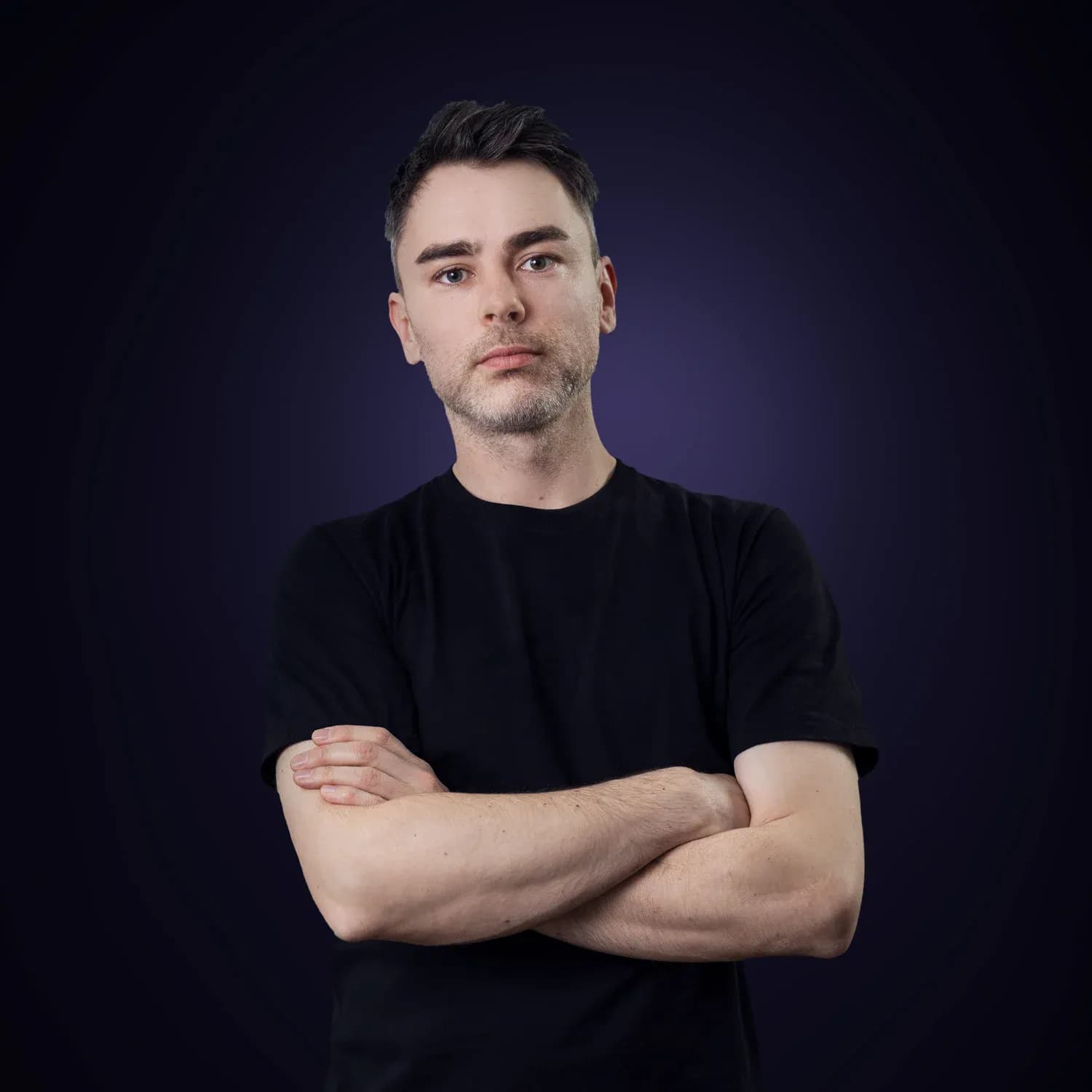
Christoph Hofbauer is a photographer and visual artist with a passion for innovative image and video concepts. Through his focus on storytelling and creative image editing, he combines cutting-edge 2D, 3D and AI technologies to deliver exceptional visual projects. As an external consultant for Creative Media & AI Solutions, he also supports the Digiknall team.
Christoph Hofbauer is a photographer and visual artist with a passion for innovative image and video concepts. Through his focus on storytelling and creative image editing, he combines cutting-edge 2D, 3D and AI technologies to deliver exceptional visual projects. As an external consultant for Creative Media & AI Solutions, he also supports the Digiknall team.
More articles
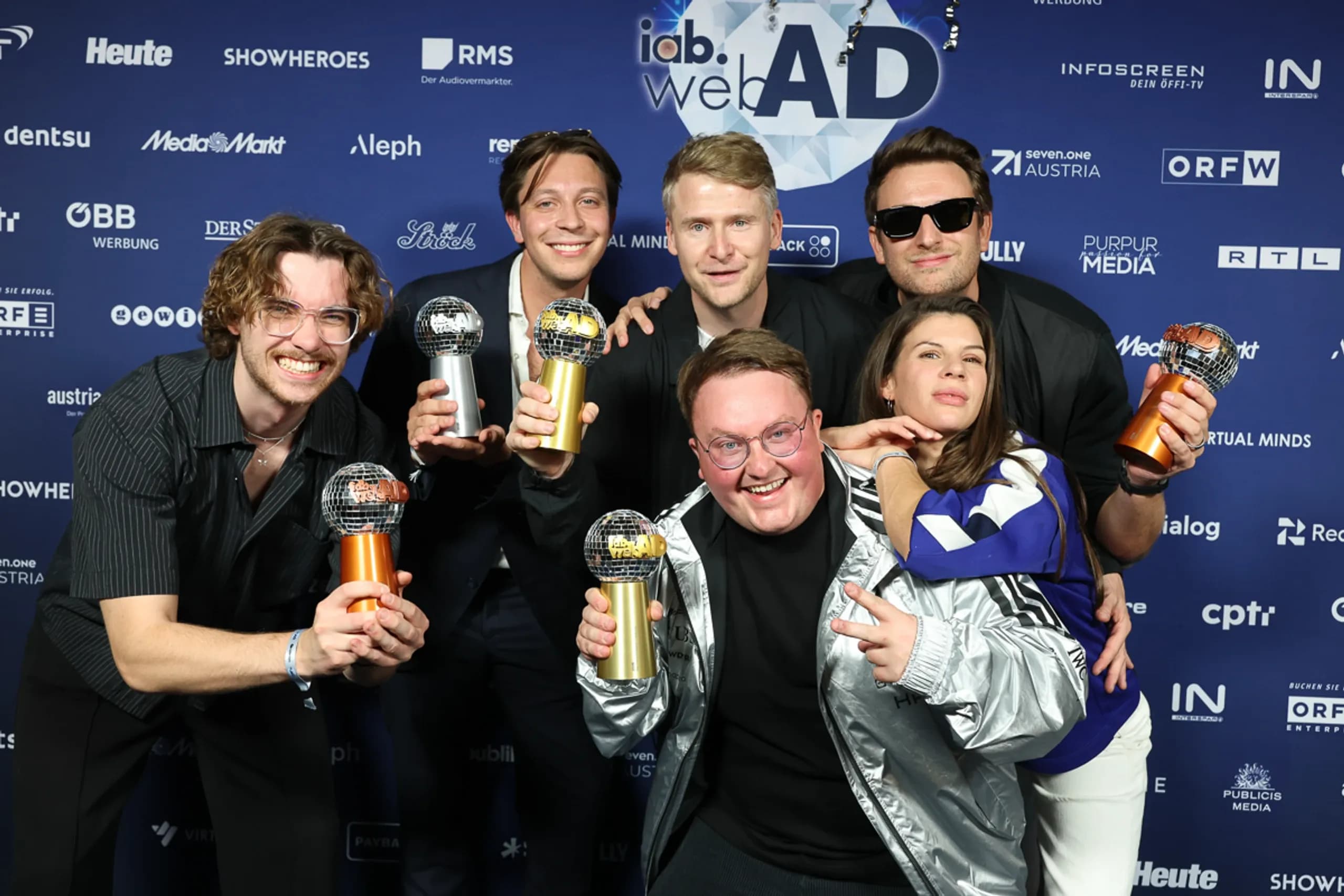
iab webAD 2026: Digiknall wins Gold for Radatz and five awards
Digiknall won five awards at the iab webAD 2026: Gold for Radatz's social media concept, Silver and Bronze for a video …
Effie Awards Austria 2026: Digiknall on the shortlist
Digiknall is on the shortlist for the Effie Awards Austria 2026 with three campaigns for Radatz in four categories. The …
iab webAD 2026: Digiknall shortlisted
Digiknall has been shortlisted with three campaigns in four categories at the iab webAD 2026. Work for WellCard, Radatz …