
Design with substance: A case against the superficiality of trends

A medium-sized company wants to modernise its logo and bases its approach on current trends. Yet, in the long term, this approach poses risks to the target group’s and employees’ identification with the brand.
Designers face a choice:
a) Giving in to external trend pressure
The temptation to follow current trends is great. It would be easy to design the logo according to the latest Pinterest and Instagram trends in order to meet expectations. The company would quickly have a modern logo on its materials and online platforms. But beware! It may work in the short term, but the target group and employees could soon lose their emotional connection to the brand. The logo may be "trendy", but it lacks authenticity and emotional resonance.
b) Pausing to analyse the brand’s foundations
Looking inwards enables a more sustainable design based on the brand’s values and positioning. A well-considered foundation is crucial. It makes it possible to rethink and analyse existing elements, and to decide what truly fits the brand’s identity. Perhaps it is not just about the logo, but also about a more comprehensive revision of the brand or corporate design in order to strengthen the common thread in visual communication.

The development of the logo using the GAP brand as an example
Short-term changes can create new problems, which in turn may involve high, avoidable expenditure or even a loss of trust. In a world characterised by rapid change and fleeting trends, I remain steadfast in my conviction that true design innovation therefore lies in the world of values. This is also shown by the GAP brand example above, where the redesign strategy was not accepted and was therefore changed back to the old version.
The fleeting nature of trends
Design trends come and go at breathtaking speed. What is considered innovative and pioneering today may already be forgotten tomorrow. This transience often prevents us from creating a sustainable and consistent design identity. Timeless design, by contrast, outlasts trends and creates a visual consistency that goes deeper than passing fashions.
Strategic and sustainable design
Long-term design is more than just a style; it is a philosophy that focuses on distinctive aesthetics. By emphasising fundamental design principles, we can create sustainable work that endures beyond the spirit of the age. This sustainability extends not only to the visual aspect, but also to the ecological one, as fewer short-lived trends consume fewer resources.
Conclusion
In a world characterised by constantly changing trends, I emphasise the importance of value-based design and individuality. True design innovation lies in the world of values, not in passing fashions. Instead of following trends, my aspiration as a designer is to emphasise what is essential and to design what goes beyond the spirit of the age and moves people in a lasting way. Human Centred Design means design for people, not consumers.

Melanie Wendler
Graphic Designer & Art Director
As a self-employed art director and graphic designer, Melanie creates holistic visual identities for companies and NGOs. Her projects include personal branding for restaurateur Sepp Schellhorn, the rebranding of the Reiters Hotels in southern Burgenland and of the Berlin-based DEI consultancy Mut:Republik. Passionately involved in road cycling, she designs cycling apparel and is part of the "Female Cycling Base" movement.
As a self-employed art director and graphic designer, Melanie creates holistic visual identities for companies and NGOs. Her projects include personal branding for restaurateur Sepp Schellhorn, the rebranding of the Reiters Hotels in southern Burgenland and of the Berlin-based DEI consultancy Mut:Republik. Passionately involved in road cycling, she designs cycling apparel and is part of the "Female Cycling Base" movement.
More articles
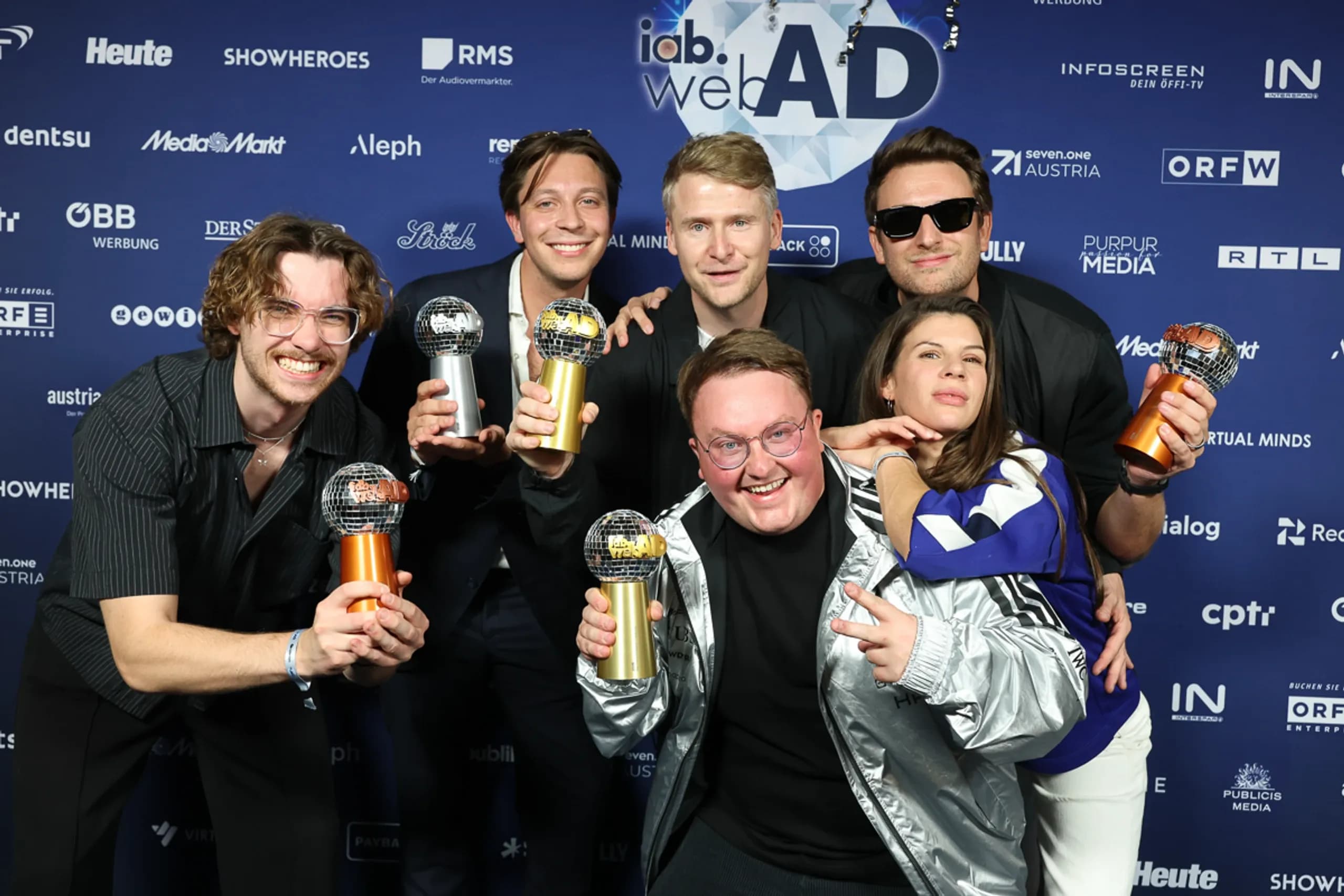
iab webAD 2026: Digiknall wins Gold for Radatz and five awards
Digiknall won five awards at the iab webAD 2026: Gold for Radatz's social media concept, Silver and Bronze for a video …
Effie Awards Austria 2026: Digiknall on the shortlist
Digiknall is on the shortlist for the Effie Awards Austria 2026 with three campaigns for Radatz in four categories. The …
iab webAD 2026: Digiknall shortlisted
Digiknall has been shortlisted with three campaigns in four categories at the iab webAD 2026. Work for WellCard, Radatz …